This month-by-month guide to Nairobi covers what to do in each season, including the best time to visit for safaris, events, and cool city breaks.
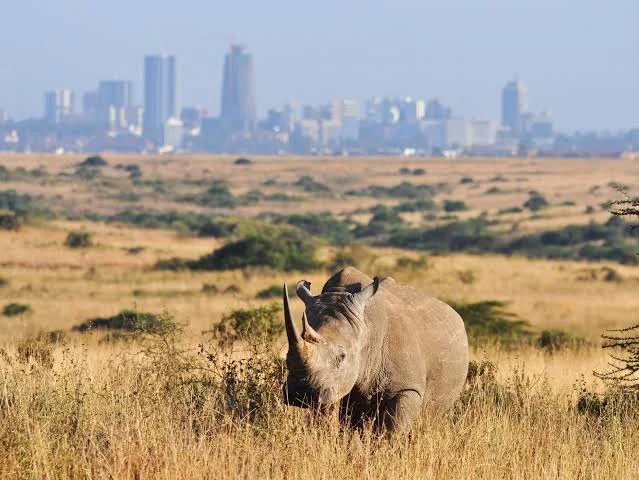
Nairobi is both a vibrant urban center and an ideal base for safari adventures into the stunning surrounding nature. The Kenyan capital combines modern attractions like the National Museum with unique experiences like Nairobi National Park, where you can spot lions just four miles from downtown skyscrapers.
Year-round, you can hike through Karura Forest, catch flights to Maasai Mara for the Great Migration, or explore cultural sites that tell Kenya’s story. Dry seasons bring perfect safari weather and clear mountain views, while rainy months mean gardens are overflowing with dense greenery. This month-by-month guide helps you plan your ideal Nairobi experience.
Choosing the best time to go to Nairobi
Best time for nature lovers
June to September offers ideal conditions for hiking and outdoor activities. The dry season provides firm trails at Karura Forest and the Ngong Hills, while August opens up Mount Kenya climbing opportunities. June also brings outdoor music festivals with perfect weather for all-day events.
Best time for people on a budget
April to May and November bring lower accommodation rates and fewer crowds at major attractions. While the rainy season limits some outdoor activities, museums and cultural sites like the National Museum and Bomas of Kenya offer great value and shorter queues.
Best time for sightseeing
January to March and September to October provide comfortable temperatures for exploring the city. Clear skies in January make it perfect for visits to Nairobi National Park, while September offers ideal conditions for cultural sites and heritage walks.
Nairobi throughout the seasons
Spring in Nairobi March to May
Spring brings the long rains and blooming trees across the city. March offers the last chance for outdoor markets before afternoon showers, while May showcases the Arboretum’s peak flowering season with tulip trees in bloom.
Summer in Nairobi June to August
The dry season returns with perfect conditions for festivals and safaris. June hosts major music festivals, July becomes the launching point for Great Migration trips to Maasai Mara, and August offers ideal mountain climbing weather for Mount Kenya expeditions.
Fall in Nairobi September to November
Fall combines cultural exploration with birdwatching opportunities. September features traditional dance performances and heritage walks, October sees Karura Forest at its greenest, and November brings migratory birds back to the city’s wetlands.
Winter in Nairobi December to February
Winter offers the driest weather of the year. December buzzes with Christmas markets, January provides perfect wildlife photography conditions, and February maintains ideal hiking weather for the Ngong Hills and forest trails.