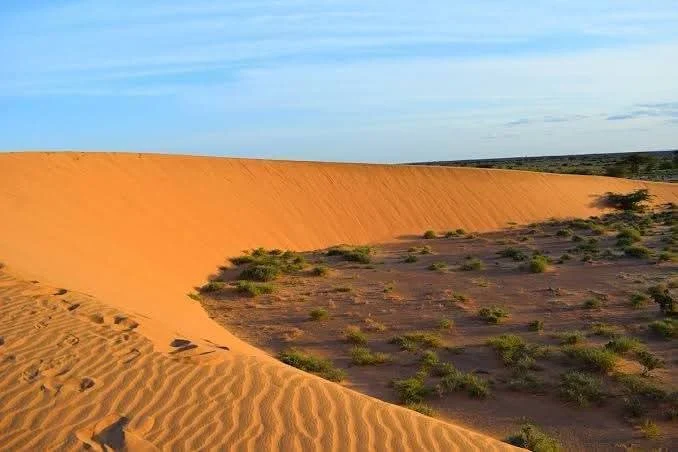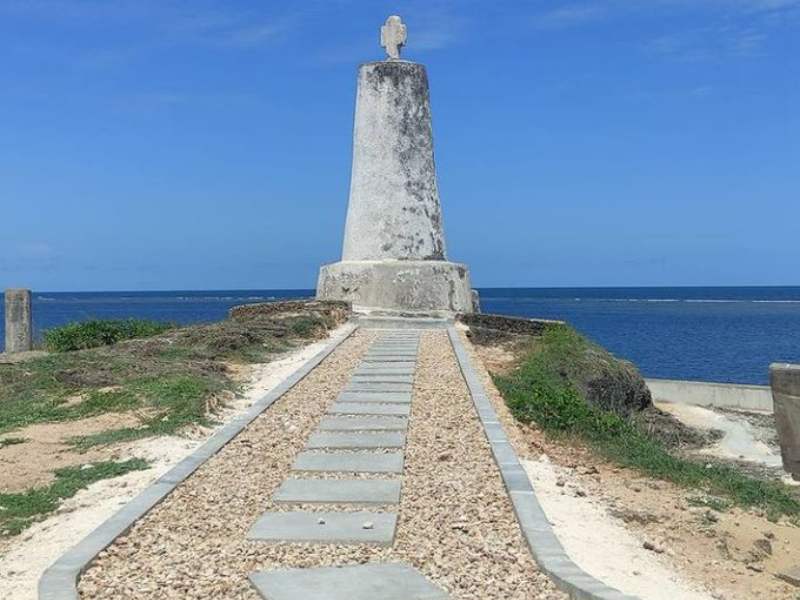
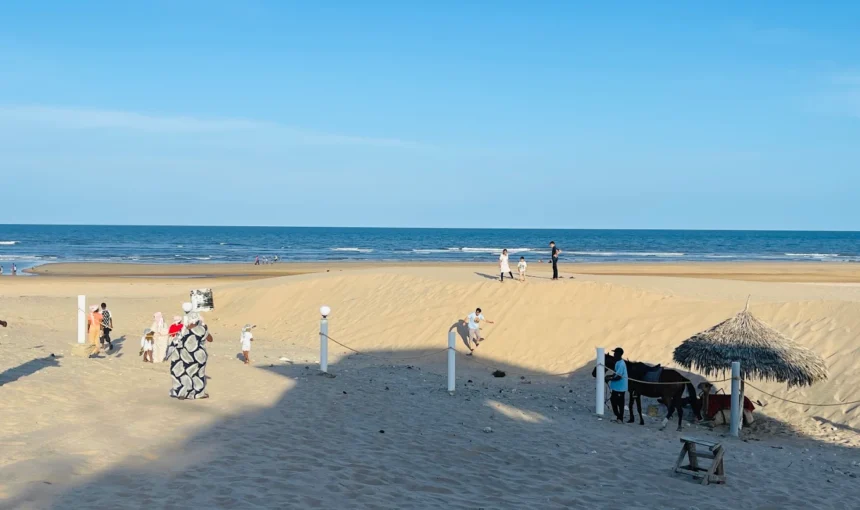
To outsiders, Mambrui is a photogenic desert-meets-ocean landscape. To people in Magarini Sub-County, the dunes have become something more practical: land that now pays school fees, employs young people, and gives the community a say in how visitors use their backyard.
For a long time the dunes were treated as unused ground. That changed when residents organised themselves rather than waiting for an outside investor to take over the site.
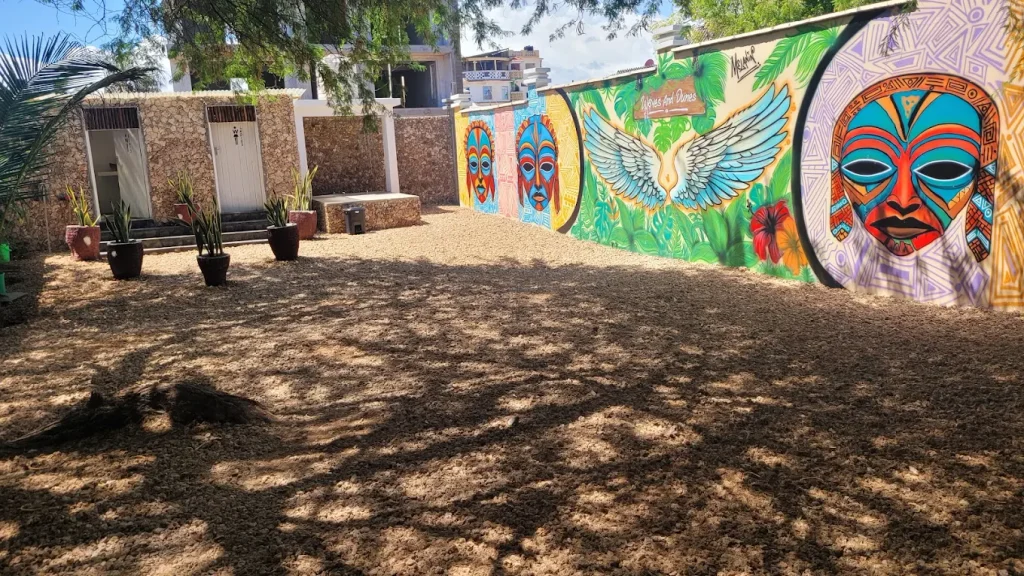
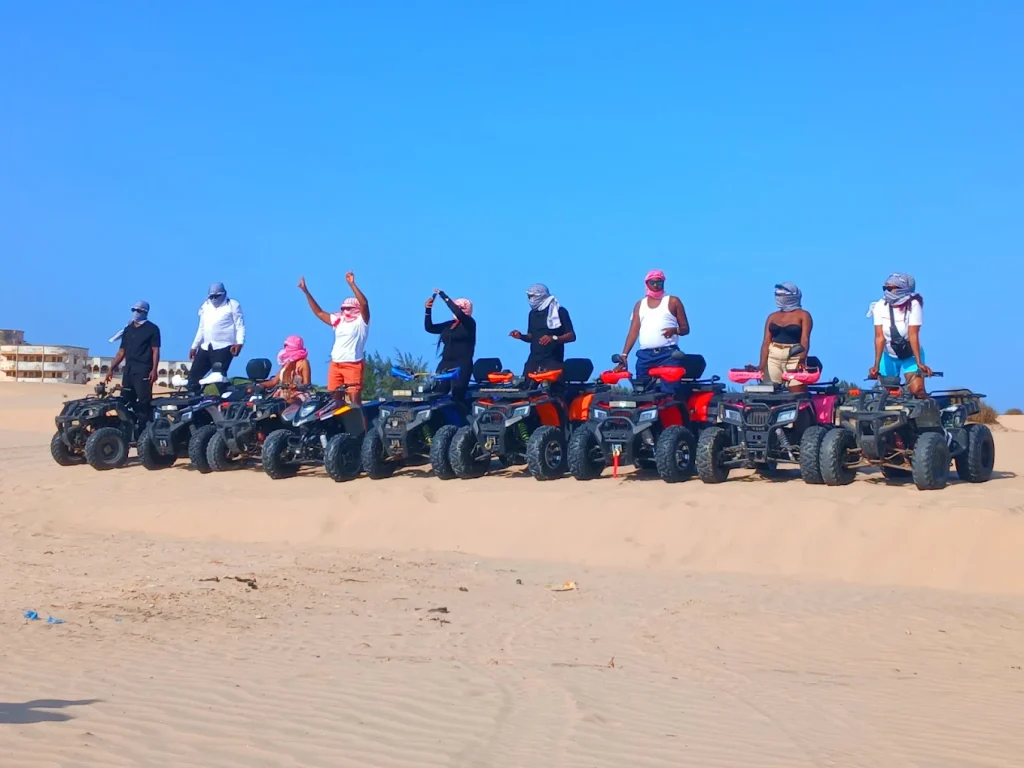
A community-owned tourism projectMore than 70 local people, many of them youth, formed a community-based organisation to manage the dunes as a visitor site. Members pooled money to clear access routes and buy quad bikes. Guests now pay a small entry fee, hire guides, rent bikes or scarves, and buy drinks such as green coconuts from traders at the gate.
Julius Kenga Msanzu, chair of the Mamburui Sand Dunes CBO, has said the turning point was realising “ordinary land” could generate income if it was organised. Founding member Alex Mgandi put it more bluntly: the dunes once seemed to have no economic value; now they support livelihoods.
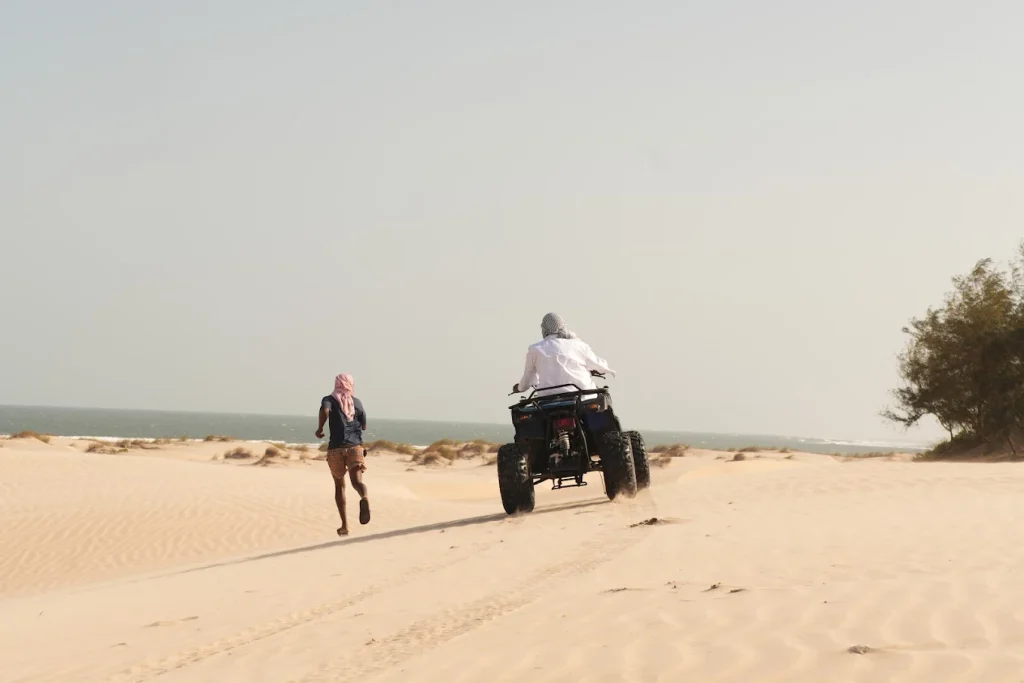
That local control is the core of why the site matters. Fees and activity charges stay in the village instead of flowing only to hotels in Malindi or tour companies based elsewhere.
Jobs where options are limited
The dunes create work that did not exist before:
- Guides who walk visitors across the ridges and explain the landscape
- Quad-bike operators and safety briefers
- Informal traders selling refreshments
- People running shade, parking, and welcome points
On busy weekends and holidays, reports put visitor numbers as high as 700–1,000. Community leaders have also described a 30–60% rise in visitors as word spread online and through domestic travel campaigns. More guests mean more shifts for guides and more sales for coconut vendors.
For young people in a rural coastal area, that is an alternative to leaving for Mombasa or Nairobi.
Social support, not only souvenirs
Tourism income is also used beyond wages. Coverage of the site notes that money from the community organisation has helped pay school fees for children with disabilities and support vulnerable families. That turns a day-trip attraction into a small local welfare stream.When international or Kenyan visitors hire a guide or pay the gate fee, they are funding that network directly.
Pride, identity, and a seat at the tourism table
Calling the place “Dubai Ndogo” is marketing, but it is also a claim: this landscape belongs on Kenya’s travel map, and Magarini residents want it listed in domestic programmes such as Tembea Kenya. Community leaders have asked for that recognition so the site is not treated as an afterthought to Malindi’s beaches.
Managing the dunes also gives locals a reason to care about access routes, visitor behaviour, and how hard the sand is used. Leaders already talk about balancing growing crowds with conservation. That conversation only starts when the land has value to the people who live next to it.
Why visitors should treat it that way
Mambrui works as community tourism when guests:
- Pay the official community fee
- Hire a local guide
- Buy from traders on site
- Follow briefings on where bikes and feet should go
The dunes are important to the community because they turned unused sand into jobs, school support, and a homegrown attraction. Visit for the views. The lasting reason to go is that the people who opened the gate still run it.