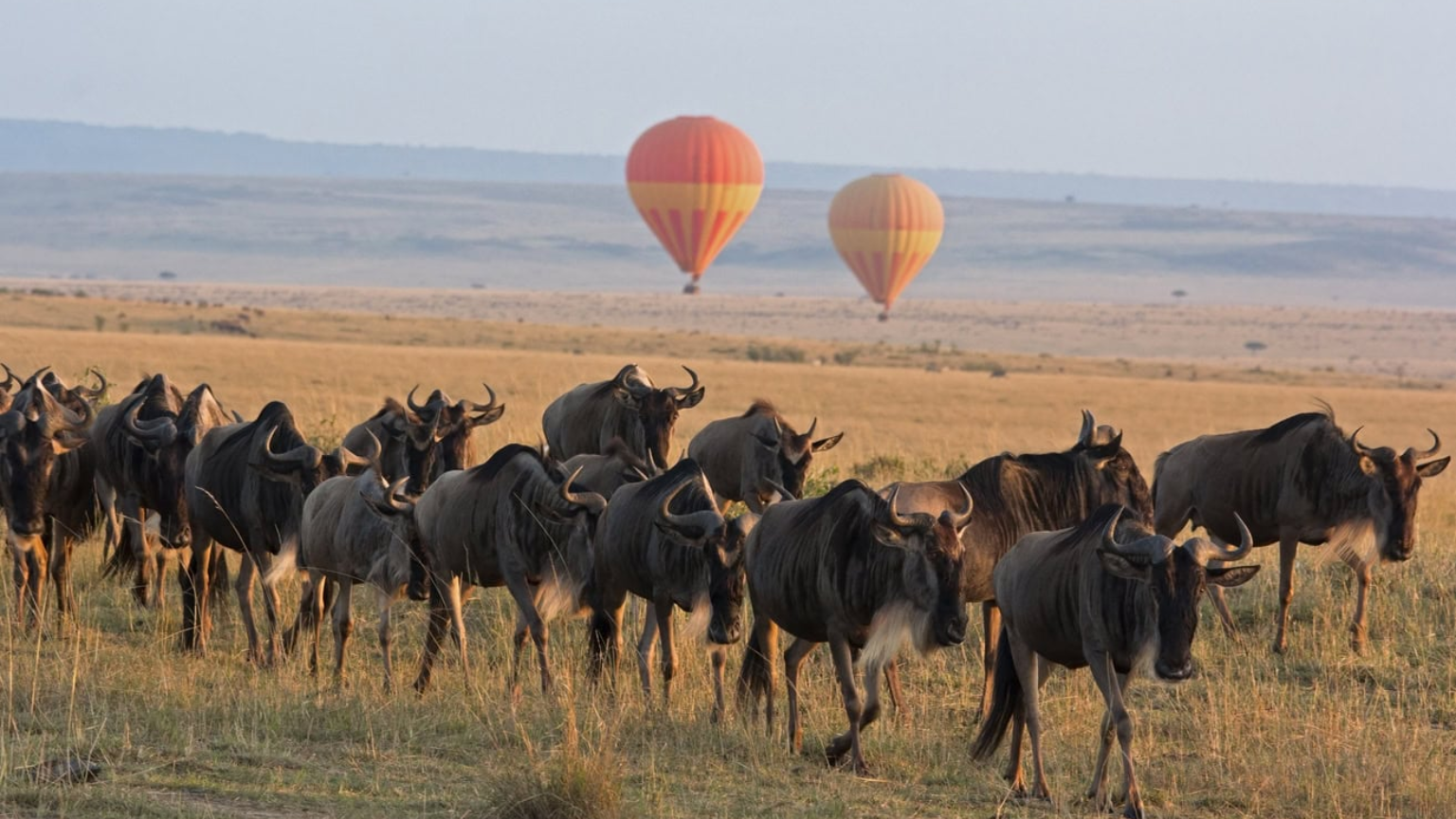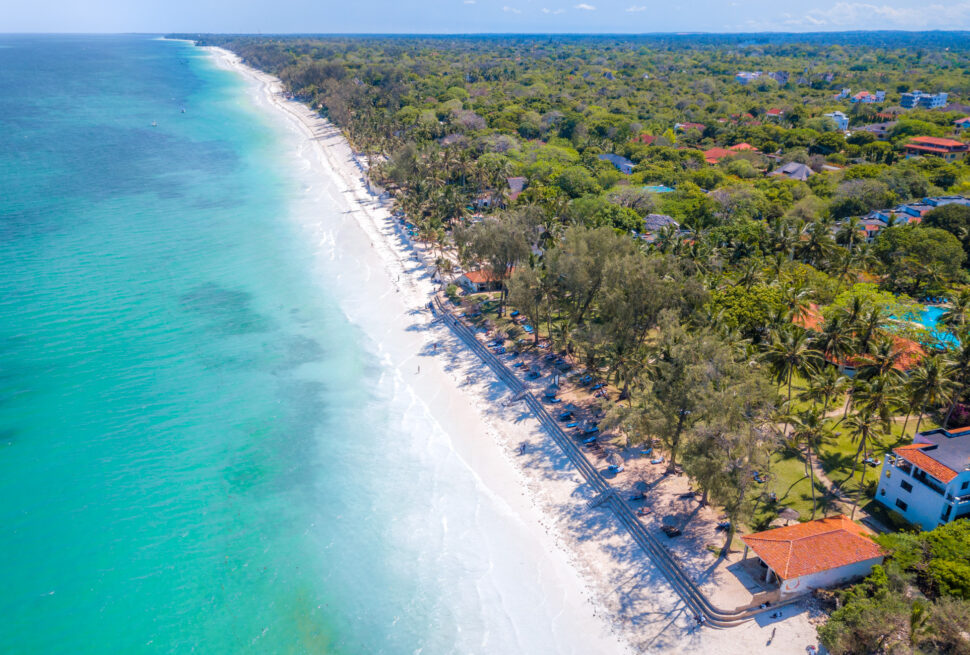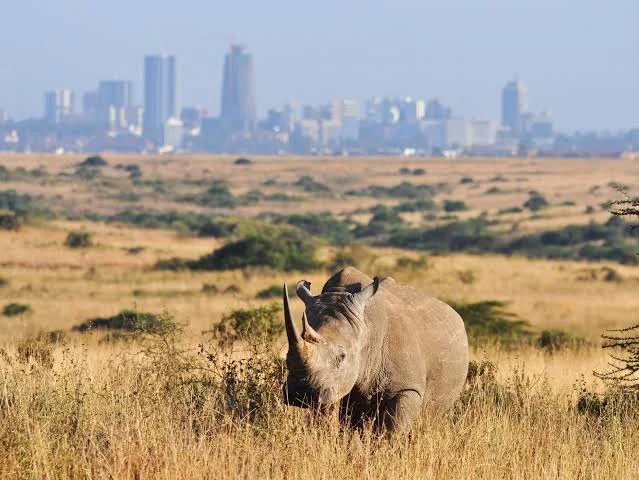
One of Kenya’s most accessible and well-liked wildlife sites, Amboseli lies tucked up against Kenya’s southern border with Tanzania (hence the Kilimanjaro view) and only four hours’ drive from Nairobi. Its beauty lies in its geography. The park, which is located beneath Africa’s highest mountain, receives little rainfall but has a network of marshes and wetlands that are maintained by subterranean mountain runoff and are home to a variety of vibrant birds. Amboseli is probably only one of several parks you visit during a safari here. For instance, it’s common to combine Amboseli with the Masai Mara, and the park is a great safari complement to beach vacations along the pristine Indian Ocean coast of southern Kenya.
The Amboseli National Park Highlights Include;
1. Mount Kilimanjaro view
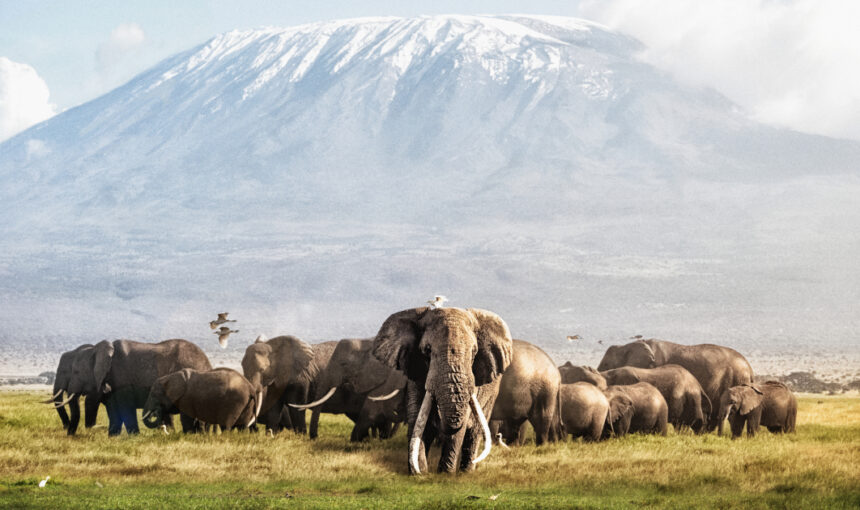
You’ll need an early start to catch the iconic view of Kilimanjaro towering over the Amboseli plains – leave it too late in the day and cloud cover obscures the snow-covered peak. And even when it’s clear the heat haze and dust can make the peak indistinct at best. You’ll have to be doubly lucky to catch wildlife in front of it, so if that photo is paramount you’ll need to be flexible.
2. Elephants
Around 1,500 elephants call Amboseli home, a healthy population living in 392km2 that has bypassed much of the poaching crisis affecting other areas of East Africa – thanks in the main to the Amboseli Elephant Research Project, Africa’s longest running study of wild elephants, and the community-owned conservancies which surround the park. Expect to see herds of up to 100 individuals of all ages, from tiny babies to 60 year old matriarchs and huge tuskers, wander past during game drives.
3. Birdwatching
The classic Kili view is what makes Amboseli so unique. While in its rain shadow, swamps formed by water flowing underground from the mountain are sustained year-round and provide habitats for a wealth of bird species. Over 420 of them, in fact, including the prehistoric and somewhat ridiculous-looking shoebill. Clouds of flamingos settle here during the wet seasons too – turning the swamps a hazy, squawking, pink.
4. Lake Amboseli
The vast lake which names the eponymous national park is mostly parched and dry – although come the rainy season it can fill with a shallow of water, no more than 2ft deep. The result is spectacular – a vast mirror reflecting the sky and savannah. In the dry season expect strange mirages as the heat shimmers off the dry, salty surface.
5. Observation Hill
Aptly named – this pyramid-shaped hill rising out of Amboseli’s plains offers a panoramic view across the park to Kilimanjaro in the south, or east to the swamps. You’re unlikely to encounter wildlife here – hence it’s one of the only places you can get out of your vehicle and stretch your legs – but seeing elephants and hippos in the distance puts their size, and the sheer scale of the landscape, in context.
6. Selenkay Conservation Area
Adjoining the national park, the Selenkay Conservation Area is a pioneer of community conservation in Kenya. Traditional Masaai landowners lease out their lands and profit from visitors’ stays. As a result elephants and other wildlife, originally aggressively chased off the farmlands, now range far into the conservancy – where they can be seen by vehicle or on foot with a Masaai guide. Only 20 guests stay at a time in the conservancy’s remote camp for unique, intimate and cultural safari experiences.